Columbia University · Izar laboratory
Karan Luthria
MD-PhD student · Computational oncology
I study cancer evolution, metastatic progression, and tumor ecosystems using computational and multimodal approaches.
About me
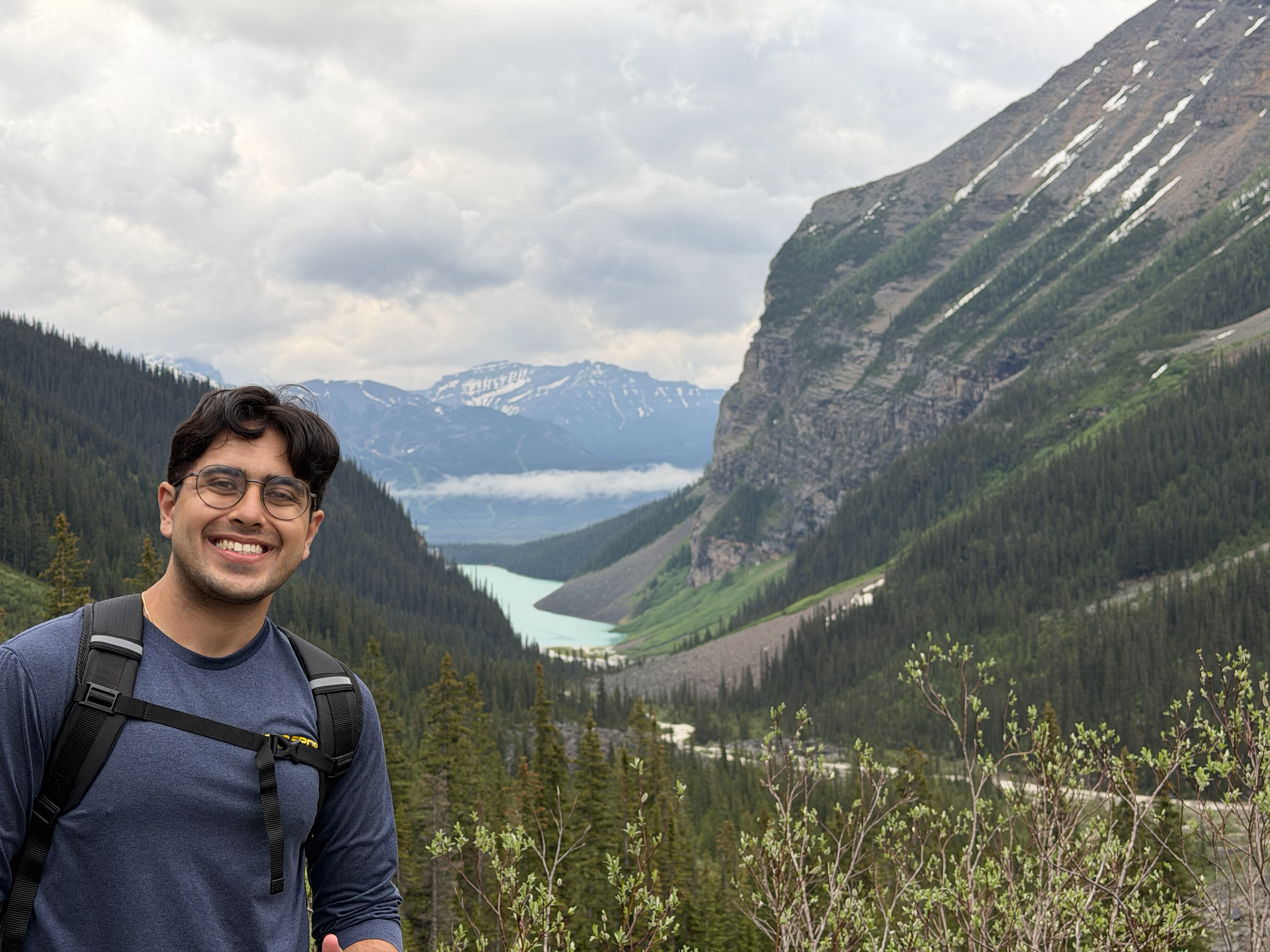
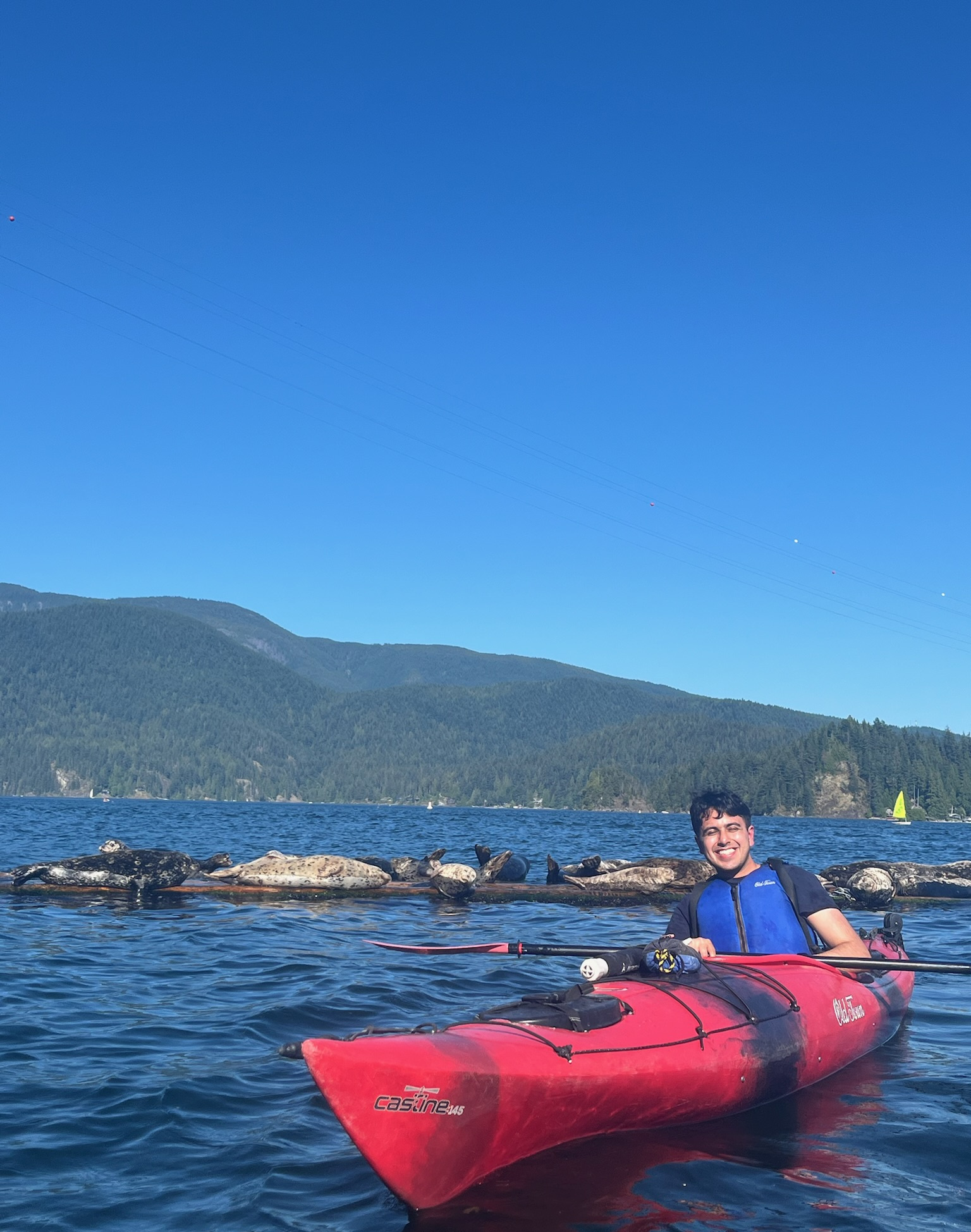
I am an MD-PhD student at Columbia University in the Izar Laboratory.
My research focuses on how cancers acquire the ability to metastasize, why some tumors recur years after treatment, and how they evolve within different tissue environments. In melanoma, I study how genetic alterations arise and change as tumors progress from primary lesions to distant metastases. I also develop computational methods that integrate single-cell sequencing, spatial transcriptomics, and measurements of tissue mechanics to investigate the relationships between tumor cells and their surrounding tissues.
This work is motivated by a practical challenge: patient tumors are complex and evolve over time. It is difficult to capture their biology through any single type of measurement. I'm interested in developing computational and statistical methods that combine different data modalities, reconstruct tumor evolution across multiple samples, and link molecular findings to clinical outcomes. I hope this work will improve our understanding of metastatic progression and treatment response.
Before medical school, I studied computer science at the University of Maryland, Baltimore County (UMBC). I was named to MLH’s Top 50 Hackers ↗ and received a Goldwater Scholarship for work using deep learning to improve drug-repurposing models.
Away from research, I play tennis, hike, and spend time in the mountains. I enjoy trying new restaurants and am a Yelp Elite reviewer, and I’m perfecting my chai-making process. I’m a Washington Wizards fan and make sure to watch each game (shoutout AJ Dybantsa); my fantasy football team, meanwhile, keeps losing each Sunday.
Research overview ↗Recent Updates
- 2026
The study examines genomic features associated with metastatic competence and reconstructs melanoma evolution from primary tumors to distant disease.
- 2026
The clinical study pairs combination treatment with single-cell profiling to characterize tumor and immune states associated with treatment response.
- 2026
Awarded an NIH/NCI F30 fellowship ↗.
The fellowship supports doctoral research and training in cancer biology, including work on melanoma dormancy and metastatic relapse.
- 2026
The grant supports research on genomic programs that may help melanoma cells disseminate, remain dormant, and later reactivate.
- 2025
The paper maps tumor and microenvironmental states in lung cancer brain metastases using single-cell and spatial genomics.
- 2025
The study investigates how neuronal activity contributes to small cell lung cancer development and progression.
- 2025
Published a first-author educational module in MedEdPORTAL · Deconstructing the Monolith ↗
The module teaches learners to recognize health disparities within Asian American, Native Hawaiian, and Pacific Islander populations.